





Deforestation

Contents |
[edit] Introduction
Deforestation can be defined as the permanent removal of woodland areas and forest vegetation in order to repurpose the land. It is also sometimes referred to as forest clearance.
There are instances when the extraction of timber is not considered deforestation. This occurs in places where it is required to replant or to permit natural regeneration in harvested areas - thus, the land is not repurposed.
[edit] Human methods of deforestation
Intentional forest clearances driven by human factors may be conducted so the land can be prepared for non-forest uses such as:
- Resource extraction such as mining, logging for lumber, charcoal, building materials and paper production.
- Agricultural development for conversion into plantations and other types of farmland.
- Urbanisation for the creation of housing, roads and other infrastructure to support community development.
[edit] Natural forest clearances
Natural causes are sometimes associated with temporary forest clearances. These causes are not considered forms of deforestation, since the areas are generally allowed to return to their natural (pre clearance) state.
Natural clearance occurrences may include:
- Extreme weather such as flooding or drought.
- Fire brought on by lightning or extremely dry conditions.
- Parasites and other types of disease.
While natural forms of forest clearance may be unintentional, they are sometimes associated with conditions brought about by human activity and climate change. These actions might make it more difficult for the forest to return to its original state.
[edit] Consequences of deforestation
Deforestation results in serious negative impacts for forest biodiversity. The Food and Agriculture Organisation (FAO) estimated that 13 million hectares of forest are lost each year to deforestation, which in itself has a significant impact on species.
Other consequences of deforestation are associated with the decrease in trees available to absorb carbon dioxide. This may include increases in greenhouse gas emission in the air and levels of acidity in oceans, resulting in possible changes to ecosystems and the climate.
Related issues include soil erosion, flooding and disruptions to water cycles.
Indirect consequences can include increased levels of water pollution from new activities such as mining and agricultural runoff.
[edit] Related articles on Designing Buildings
Featured articles
Check out some of the best features and news from Designing Buildings as well as key stories from around the web.

CIOB reacts to the announcement of Andy Burnham as Prime Minister.

Heritage and conservation science workforce survey - Have your say.
England's Suburbs 1820-2020. Book review.

New, more proportionate and targeted approach for higher-risk building assessments.

Government brings British Steel into public ownership.

UKCW Birmingham returns with bold new theme and focus.

New guidance published on competence requirements for self-certification schemes.
Construction Management, 8 July

NEETs crisis drives interest in trades, but apprenticeships barriers remain.
Passive fire protection webinar

MEP services penetration seals.

Where its at podcast (and video) - The role of the Architectural Technologist as an Expert Witness.
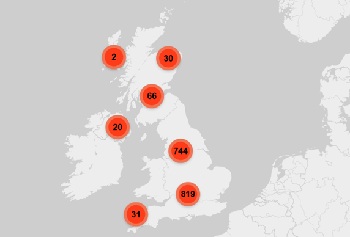
More than 200 remarkable buildings added to SAVE’s Buildings at Risk register.

Government scraps pre-application consultation for Nationally Significant Infrastructure Projects.